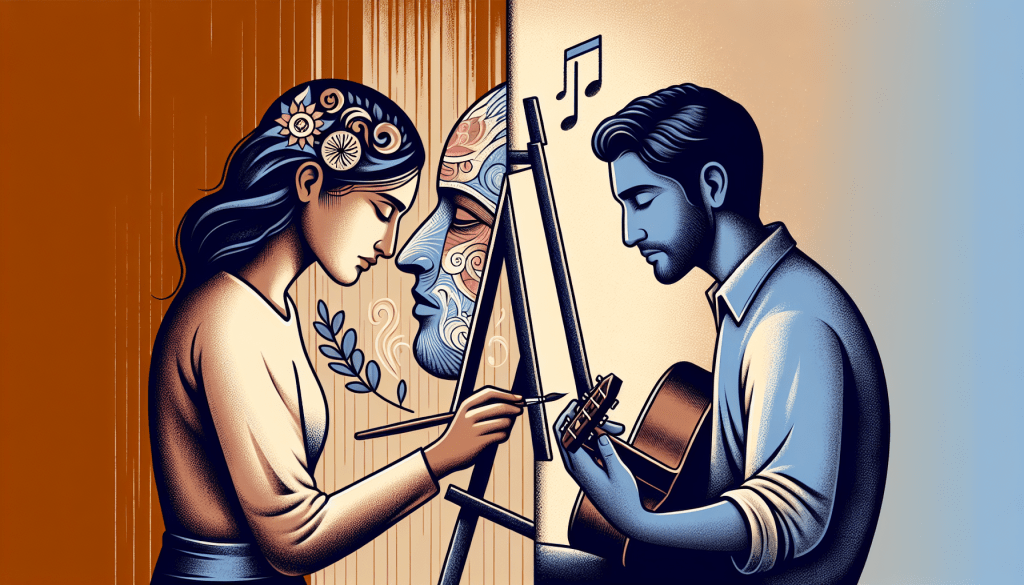
In our fast-paced lives, discovering pockets of tranquility and self-expression may seem daunting. Yet, embracing the potential of creative pursuits such as art and music can remarkably positively impact our mental and emotional well-being. Immersing ourselves in these endeavors offers therapeutic respite and fosters our overall psychological and emotional health.
The Therapeutic Power of Art
Art has long been recognized for its healing properties. From painting and drawing to sculpting and photography, artistic endeavors offer a unique way to express emotions that might be difficult to articulate with words.
- Emotional Expression: Art allows individuals to externalize their inner experiences. Through colors, shapes, and textures, we can convey complex emotions, making it easier to process feelings such as sadness, anger, or joy.
- Stress Reduction: Engaging in creative activities can significantly reduce stress. The act of creating art can induce a meditative state, similar to mindfulness practices, helping to calm the mind and reduce anxiety.
- Self-Discovery: Art can be a journey of self-exploration. It encourages introspection and helps individuals discover new aspects of themselves, fostering a deeper understanding of their emotions and thoughts.
- Boosting Self-Esteem: Completing an art project, regardless of skill level, can provide a sense of accomplishment. This boost in self-esteem can be particularly beneficial for individuals struggling with feelings of inadequacy or low self-worth.
Embracing Music
Music, too, holds remarkable potential for enhancing mental health. Whether through listening, playing an instrument, or singing, music can be a powerful outlet for emotional release and mental clarity.
- Mood Enhancement: Music has a direct impact on our mood. Upbeat tunes can lift our spirits, while soothing melodies can help us relax and unwind. Creating playlists tailored to different emotional needs can be a practical tool for managing mood swings.
- Emotional Release: Music provides an outlet for emotions. Singing along to a favorite song or playing an instrument allows for the release of pent-up emotions, offering a cathartic experience that promotes emotional well-being.
- Cognitive Benefits: Engaging with music, especially learning to play an instrument, has been shown to improve cognitive functions. It enhances memory, attention, and problem-solving skills, all of which contribute to better mental health.
- Social Connection: Music often brings people together, fostering a sense of community and belonging. Whether it’s playing in a band, singing in a choir, or attending concerts, these shared experiences can combat feelings of loneliness and isolation.
Practical Tips for Enhancing Mental Health Through Art and Music
- Set Aside Time: Dedicate regular time each week to engage in creative activities. Even 15-30 minutes can make a significant difference in your mental well-being.
- Get inspired: Visit an art museum, enroll in a dance class, or attend a concert. Seek inspiration through art and music.
- Be Open to Experimentation: Don’t worry about the outcome. The goal is to enjoy the process and express yourself freely. Try different forms of art and music to see what resonates with you.
- Singing: Sing along to your favorite songs, whether you’re in the shower, the car, or at home
- Photography: Use your smartphone or a camera to capture interesting scenes or objects around you. Try creating a photo series based on a theme.
- Adult Coloring Books: These books are designed for relaxation and can be a meditative activity. Choose designs that appeal to you and get lost in the colors.
- Doodling and Sketching: Grab a pen and paper and let your hand move freely. Doodling is a great way to relax and can be done anywhere, anytime.
- Collage Making: Cut out pictures and words from magazines and create a collage that represents your mood or a particular theme.
- Clay Modeling: Get some air-dry clay and create small sculptures. This tactile activity can be very soothing.
- Listening to Music: Create playlists that match different moods and listen actively. Try to focus on the lyrics, instruments, and overall feel of the music.
- Creating a Soundtrack for Your Day: Choose music that suits different activities throughout your day, like upbeat tunes for exercise or calming melodies for relaxation.
- Music Journaling: Listen to a piece of music and write down your thoughts and feelings. Reflect on why the music makes you feel a certain way.
- Music and Movement: Dance freely to your favorite songs. This can be a fun way to combine physical activity with music.
- Use Technology: Numerous apps and online platforms offer guided art tutorials, music lessons, and resources to explore creative outlets. These resources can be particularly useful for inviting some creative self-expression into your day.
Engaging in these creative activities can provide a much-needed break from daily stress and help improve your overall mental well-being. Whether you have five minutes or an hour, there’s an activity on this list that you can easily incorporate into your self-care wellness plan. These activities serve as an avenue for self-expression, allowing individuals to channel their thoughts and emotions in a constructive manner. Whether through painting, writing, or engaging in music, the benefits of integrating such practices into your daily life can be truly transformative.
 Michelle Zaragoza, LCSW
Leave a comment