
Anxiety is a common mental health condition that affects millions of people worldwide. It is important to be able to recognize the signs of anxiety in order to seek appropriate help and support.
General Symptoms of Anxiety
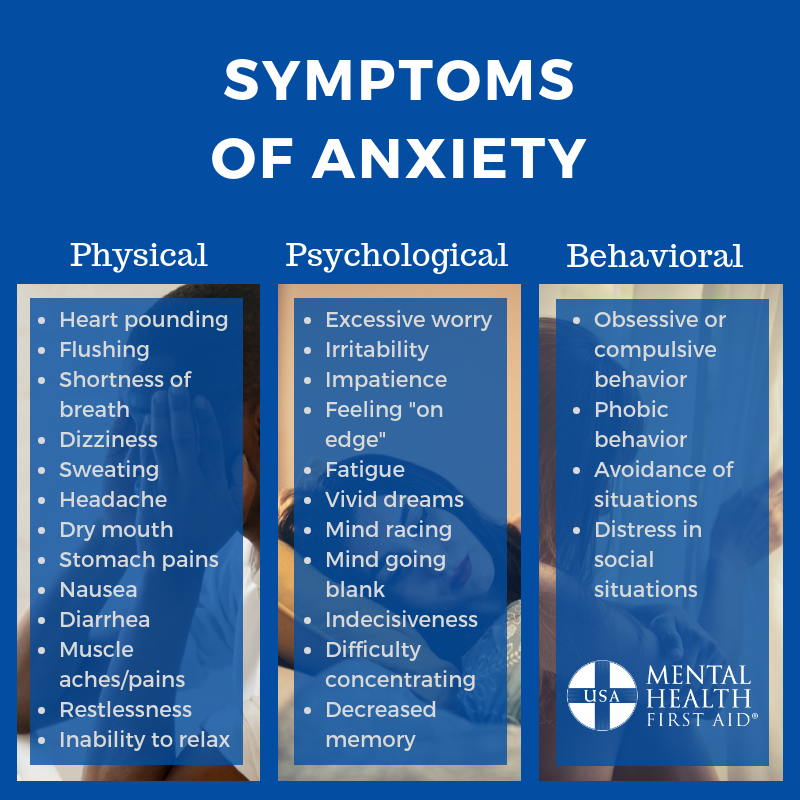
Anxiety can manifest in various ways, both physically and emotionally. Some common symptoms of anxiety include excessive worry or fear, restlessness, irritability, difficulty concentrating, muscle tension, and sleep disturbances. Individuals experiencing anxiety may also have racing thoughts or experience panic attacks.
Understanding Anxiety Disorders
Several major types of anxiety disorders can be treated using various therapeutic approaches, including:
- Panic disorder is a condition characterized by frequent, sudden panic attacks.
- Obsessive-compulsive disorder (OCD) involves obsessions and compulsions that create distress and interfere with daily life.
- Phobias are irrational fears of a situation or object.
- Generalized anxiety disorder (GAD) is marked by constant worry and anxiety about a wide variety of concerns in the absence of a specific threat.
- Social anxiety disorder (SAD) involves an irrational fear of being observed, judged, or embarrassed that causes severe anxiety in social situations.
- Post-traumatic stress disorder (PTSD) involves anxiety symptoms following a traumatic experience.
- Learn more here
Coping Strategies for Anxiety
Coping with anxiety can be challenging, but there are strategies that can help manage symptoms. These include practicing relaxation techniques such as deep breathing exercises or mindfulness meditation. Engaging in regular physical exercise and maintaining a healthy lifestyle can also contribute to reducing overallanxiety levels.
:max_bytes(150000):strip_icc():format(webp)/forty-healthy-coping-skills-4586742_final-c5f0e5b806d64ff1a297660bab2f3eb4.png)
Therapy for Anxiety
Therapy is often recommended for individuals struggling with anxiety. Cognitive-behavioral therapy (CBT) is a widely used approach that helps individuals identify and change negative thought patterns and behaviors associated with anxiety. Additionally, therapy involving healing through body-focused and somatic-awareness techniques can be helpful. Breathwork is also another very helpful component to include in therapy for anxiety. Below is a list of common therapies that are also helpful for anxiety. You can take the chance to learn more about them to see what best fits your needs and what makes sense for you.
- Cogntive Behavioral therapy (CBT)
- Dialectical behavior therapy (DBT)
- Acceptance and commitment therapy (ACT)
- Exposure therapy
- Art therapy
- Psychoanalytic therapy
- Interpersonal therapy
- Somatic work
It’s important to remember that everyone’s experience with anxiety is unique, and seeking professional help from a therapist or counselor can provide personalized guidance and support for managing anxiety effectively.

 Michelle Zaragoza, LCSW
Leave a reply to 5 Important Reminders for First-Generation College Students – Michelle Zaragoza, LCSW Cancel reply